
The Trump administration announced Thursday new oil drilling off the coasts of California and Florida for the first time in decades, advancing a project that critics say could harm coastal communities and ecosystems as President Donald Trump seeks to boost U.S. oil production.
The oil industry is seeking access to new offshore areas, including southern California and off the coast of Florida, as a way to increase energy security and jobs in the US. The federal government has not allowed drilling in federal waters in the eastern Gulf of Mexico, which includes offshore Florida and part of offshore Alabama, since 1995 due to oil spill concerns. California has some offshore oil rigs, but there have been no new leases in federal waters since the mid-1980s.
Since taking office for a second term in January, Trump has systematically reversed former President Joe Biden’s focus on slowing climate change to pursue what the Republican calls US “energy dominance” in the global marketplace. Trump, who recently called climate change “the biggest fraud ever committed in the world,” created by a National Energy Dominance Council and directed him to move quickly to increase already record high US energy production, especially of fossil fuels such as oil, coal and natural gas.
Meanwhile, the Trump administration has blocked renewable energy sources such as offshore wind and canceled billions of dollars in grants that supported hundreds of clean energy projects across the country.
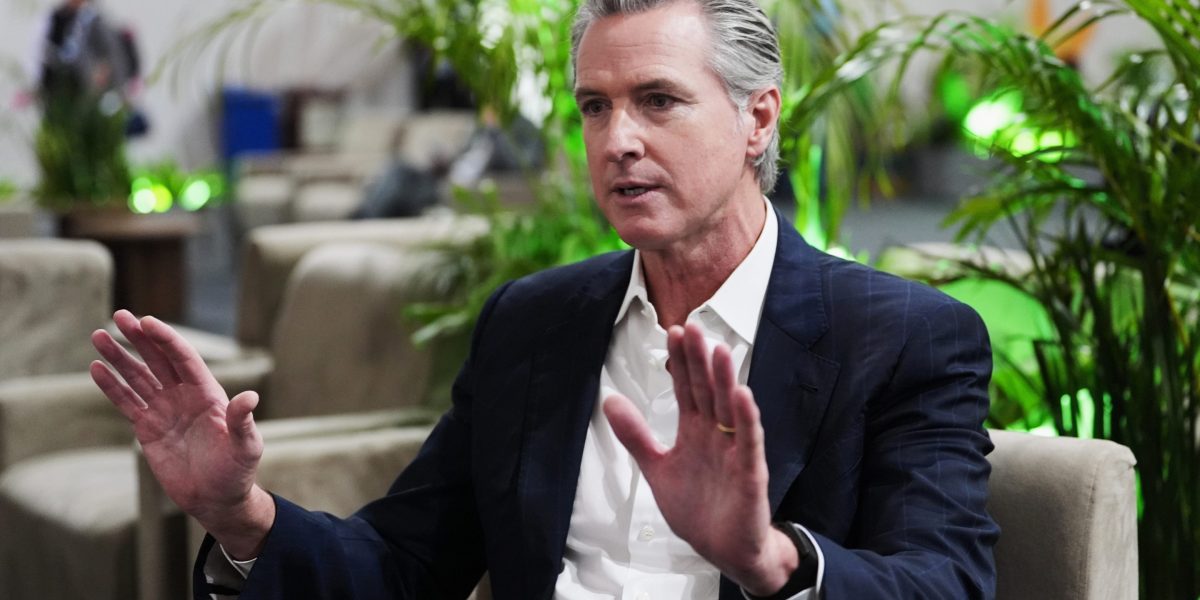
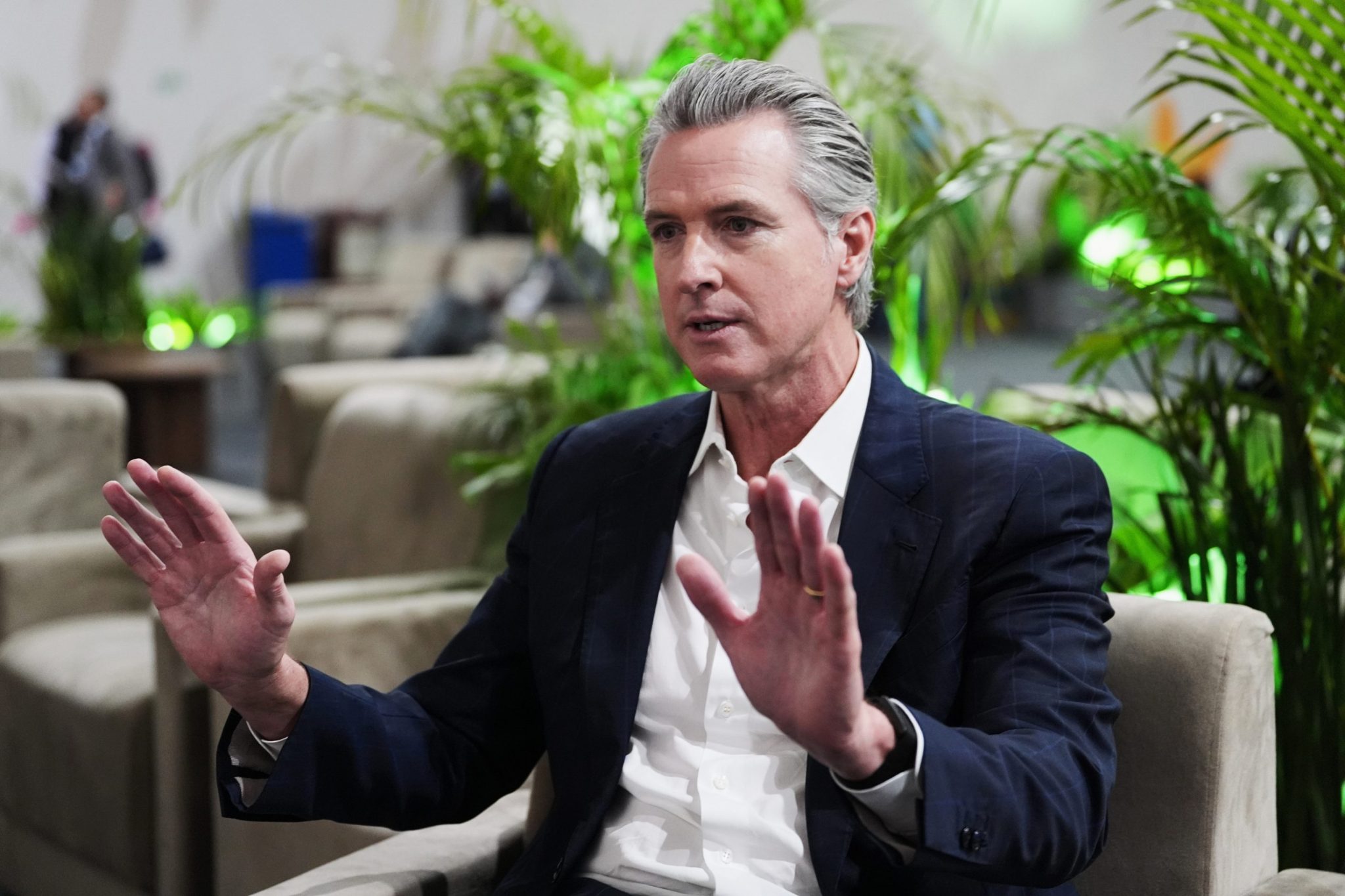
The drilling proposal has drawn bipartisan opposition in Florida, where a spokesman for Republican Gov. Ron DeSantis said the Trump administration should reconsider and Republican Sen. Rick Scott said the state’s coasts “must stay off the table for oil drilling.” Democratic California Gov. Gavin Newsom, a frequent Trump critic, called the administration’s plan “idiotic.”
Tourism and access to clean beaches are key parts of the economy in both countries.
Plans to permit drilling off the coast of California, Alaska and Florida
The administration’s plan proposes six offshore leasing sales between 2027 and 2030 in areas along the California coast.
It also calls for new drilling off the coast of Florida in the Gulf of Mexico at least 100 miles offshore. Well leases would be sold in the newly designated South Central Gulf region, near the thousands of wells and hundreds of drilling rigs in the central Gulf.
The new designation distinguishes the targeted area from the eastern Gulf, where drilling is banned under a moratorium signed by Trump in his first term. Industry representatives said the change was aimed at addressing the concerns of Florida officials who oppose drilling near their tourist shores.
The five-year plan would also force more than 20 lease sales off the coast of Alaska, including a newly designated area known as the High Arctic, more than 200 miles offshore in the Arctic Ocean.
Interior Secretary Doug Burgum said when announcing the sale that it would take years for oil from the new leases to come to market.
“By moving forward with the development of a robust, advanced leasing plan, we are ensuring that America’s offshore industry remains strong, that our workers remain employed, and that our nation remains energy dominant for decades to come,” Burgum said in a statement.
The American Petroleum Institute called the new plan a “historic step” toward unleashing more offshore resources. Industry groups point to California’s history as an oil-producing state and say it already has the infrastructure to support more production.
Opposition from California and Florida
Scott, a Trump ally, helped convince officials in Trump’s first term that abandon a similar offshore plan in 2018 when Scott was governor. Scott and Florida Republican Sen. Ashley Moody introduced legislation this month that would maintain a drilling moratorium from Trump’s first term.
Newsom, who often touts the state’s status as a global climate leader, said in response to Thursday’s announcement that California will “use every tool at our disposal to protect our coast.”
California has been a leader in limiting offshore drilling since the infamous Santa Barbara spill in 1969, which helped launch the modern environmental movement. Although no new federal leases have been offered since the mid-1980s, drilling from existing rigs continues.
Newsom expressed support for greater control offshore after game in 2021 off Huntington Beach and supported a congressional effort to ban new West Coast offshore drilling.
The Texas company, with support from the Trump administration, is seeking to restart production in waters off Santa Barbara damaged by the 2015 oil spill. The administration welcomed the plan Sable Offshore Corp. based in Houston. what kind of project does Trump want increase US energy production.
On the first day of his second term, Trump signed an executive order overturning Biden’s ban on future oil drilling in the sea on the east and west coasts. A federal court later overturned Biden’s order to withdraw 625 million acres of federal waters from the oil fields.
Environmental and economic concerns over oil spills
Lawmakers from California and Florida have warned that new offshore drilling will harm coastal economies, threaten national security, devastate coastal ecosystems and threaten the health and safety of millions of people.
“This is not just a little offshore drilling. This is the entire coast of California, every inch of Alaska, even the eastern Gulf of Mexico,” said Rep. Jared Huffman of California. “Basically, everywhere Big Oil has been drilling for decades.”
Rep. Jimmy Patronis, R-Florida, led a group of Republican lawmakers who, in a letter dated Thursday, asked Trump to withdraw the leases on some Florida coastal lots. They warned that oil exploration could interfere with the training area of nearby military air bases. Allowing the packages to pass “would have a chilling effect on the military’s ability to test new munitions, including hypersonic and anti-drone weapons,” they wrote.
The country is still recovering from the environmental and economic devastation caused The 2010 Deepwater Horizon spillthat littered shores across the Gulf, Florida Democratic Rep. Kathy Castor said.
A Santa Barbara group, the Environmental Defense Center, formed in response to the 1969 California spill, said the plan endangers the Santa Barbara Channel near Southern California, an important feeding ground for endangered blue, humpback and fin whales.
“There is no way to drill for oil without causing devastating impacts,” said Maggie Hall, deputy general counsel at the advocacy group. “The risk is unacceptable.”
___
Brown reported from Billings, Mont.
___
With contributions from Associated Press reporters Julie Watson in San Diego, Sophie Austin in Sacramento, California, and Kate Payne in Tallahassee, Florida.