
Tata Sons Chairman N Chandrasekaran has indicated that the conglomerate may consider further capital infusion into Air India, if the need arises. Speaking on the sidelines of the JRD Tata Memorial Trust event, Chandrasekaran addressed the current volatility in the aviation sector, citing disruptions in global supply chains, capital outflows and geopolitical tensions as major obstacles. “If there is a demand for it, we can consider it,” he told The Hindu Businessline, when asked about the potential funding, although he did not offer further details or confirmation regarding Air India’s specific request for such support.
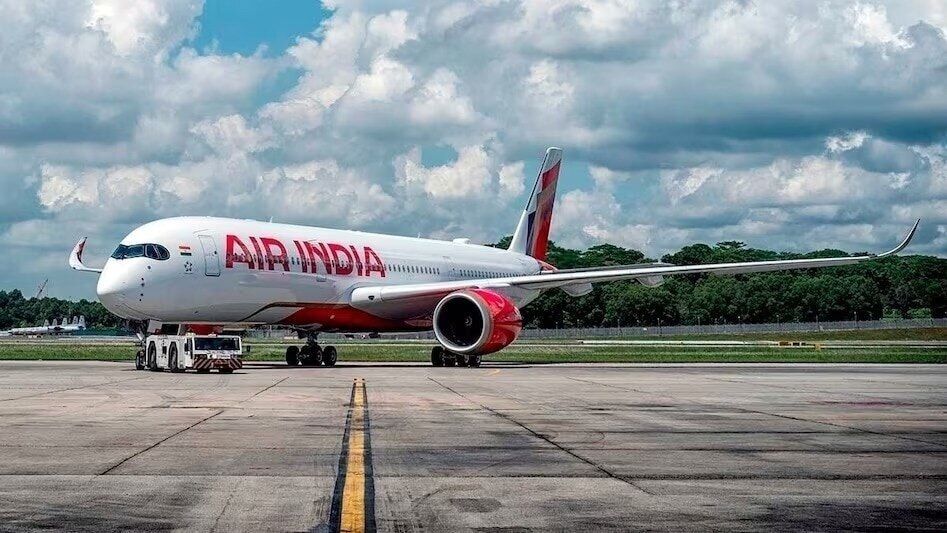
Air India, which was reacquired by the Tata group in 2021, continues to operate in a challenging environment and reported a consolidated net loss of Rs 10,859 crore on revenue of Rs 78,636 crore for FY25. According to sources, the airline is seeking additional funding of up to Rs 10,000 crore from its promoters, Tata Sons and Singapore Airlines, as both stakeholders have already invested over Rs 9,500 crore during the financial year. Chandrasekaran emphasized that for Tata, aviation is more than a commercial venture, emphasizing a sense of responsibility towards the sector.
Describing the prevailing conditions, Chandrasekaran pointed to ongoing supply chain issues complicating the timely addition of new aircraft and equipment. He noted that the availability of parts, infrastructure and the new fleet remains “quite unpredictable.” As he clarified, “Any plan you have becomes difficult because of the situations you face in this area,” reflecting the operational hurdles facing Air India and the wider industry.
Speaking about the financial demands of running an airline, Chandrasekaran noted the cyclical nature of capital allocation and returns: “You put in the capital you need to make a return. And only then can you put in fresh capital. It’s like a cycle, you have to keep building.” He further noted that aviation operates on “very tight margins” and described its “love-hate relationship with oil prices,” adding, “And it has a love-hate relationship with oil prices, so there are several aspects that you have to manage.”
Despite these challenges, Chandrasekaran reaffirmed Tata’s commitment to Air India’s transformation plan. The airline plans to modernize 95-99 percent of its fleet within three years, with new aircraft expected to be added every month. “We’ll start getting new plans every month for the next three years,” he said, while stressing: “But we have to work on each of these dimensions, that’s the commitment we’re working towards,” as the group pursues operational and customer service improvements.
Chandrasekaran also addressed the impact of external factors such as geopolitical tensions and airspace closures, which can lead to longer flight times, higher fuel consumption and reduced payload. “Your flights are taking longer, fuel costs are going up, carrying capacity is going down and you’re irritating customers. So we have to manage all that, but then demand is very high and Indian aspirations are going up,” he said, outlining the balance needed to manage industry volatility and meet rising passenger expectations.